

Understanding the differences between barbed and barbless hooks is essential for compliant, sustainable freshwater fishing, especially when building rigs with tungsten weight sinkers for bass, carp and trout fishing. Both hook types have unique advantages and applicable scenarios for modern anglers.
Barbed hooks feature backward-facing barbs that effectively prevent fish from escaping after hooking. They are widely used in conventional bass rigs, including Texas rigs and Carolina rigs equipped with tungsten bullet weights. Barbed hooks provide extremely high landing rates, ideal for recreational anglers and bulk fishing scenarios with tungsten weight soft bait setups.
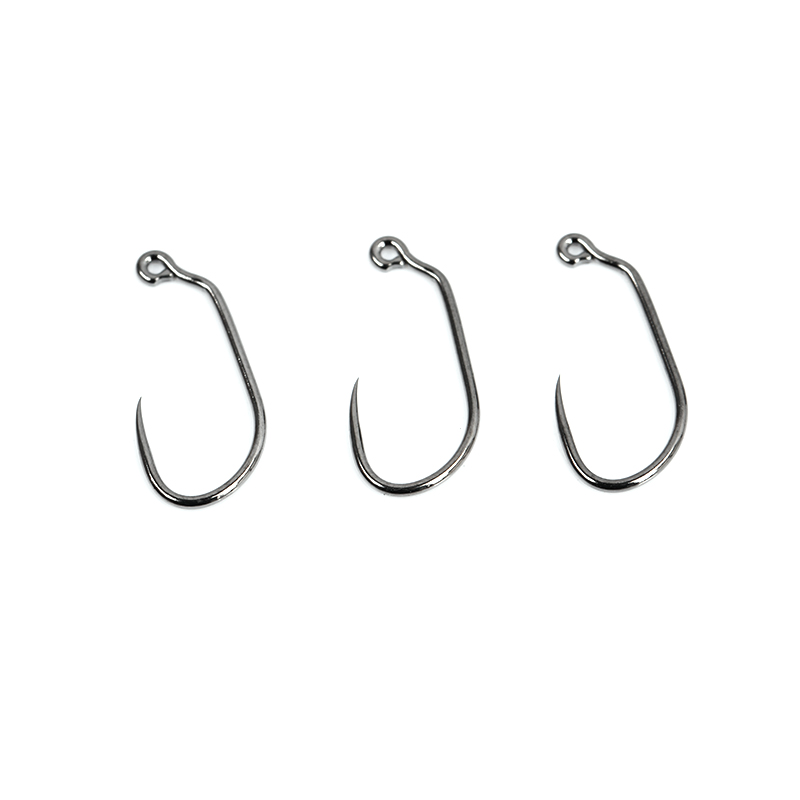
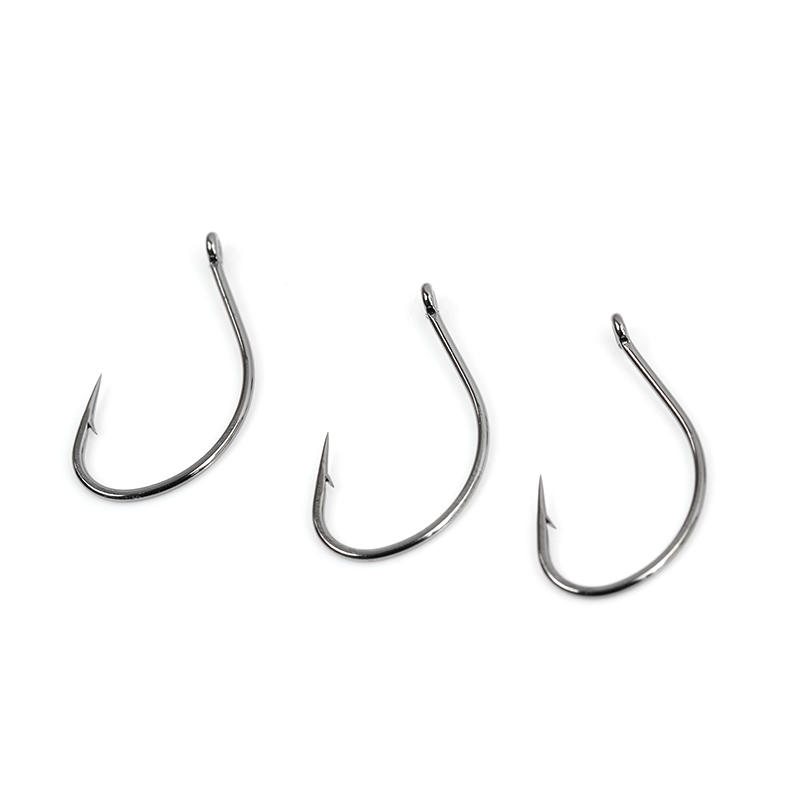
Barbless hooks have smooth hook points without barbs. They cause minimal damage to fish mouths, supporting catch-and-release fishing. Many official water areas and competitive fishing events enforce barbless hook regulations. Barbless hooks pair well with finesse tungsten weight rigs for light-line delicate presentations, suitable for clear water and protected fishery zones.
In terms of disadvantages, barbed hooks are harder to remove and may cause fish injury, while barbless hooks require faster hook setting to avoid fish escaping. No matter barbed or barbless hooks, matching proper tungsten weight sizes maintains rig balance, improves sinking posture and stabilizes underwater lure performance for compliant and effective fishing.


